
Every year, thousands of military personnel around the world return home carrying wounds that cannot be seen. Post-traumatic stress disorder (PTSD), severe anxiety, depression, sleep disturbances, and profound social isolation are challenges many veterans continue to face long after their active service has ended. While traditional medical and psychological treatments remain vital, there is a growing recognition that everyday support mechanisms are necessary to ensure long-term recovery. Today, these life-changing methods are heavily supported by leading universities, government agencies, and clinical healthcare professionals globally.
Among those global practices are Integrating Psychiatric Service Dogs in the USA, Canada, and the UK.
The United States has produced the largest and most comprehensive body of clinical research regarding psychiatric service dogs for veterans. One of the best-known organisations operating in this space is K9s For Warriors, which was founded in 2011. The organisation uniquely pairs veterans living with PTSD with rescue dogs from local shelters. Since its launch, it has successfully trained more than 1,000 veteran-dog teams. Notably, approximately 70% of the participating dogs were themselves rescued from shelters, creating a beautiful second chance for both the people and the animals. In 2024, JAMA Network Open published one of the most extensive clinical studies on this topic, involving 156 U.S. veterans. After receiving a trained dog, participants experienced significantly reduced PTSD symptoms, lower anxiety levels, improved mental wellbeing, better social functioning, and a markedly higher overall quality of life. Researchers continuously emphasise that while these dogs are not a replacement for medical treatment, they are an invaluable component of PTSD rehabilitation.
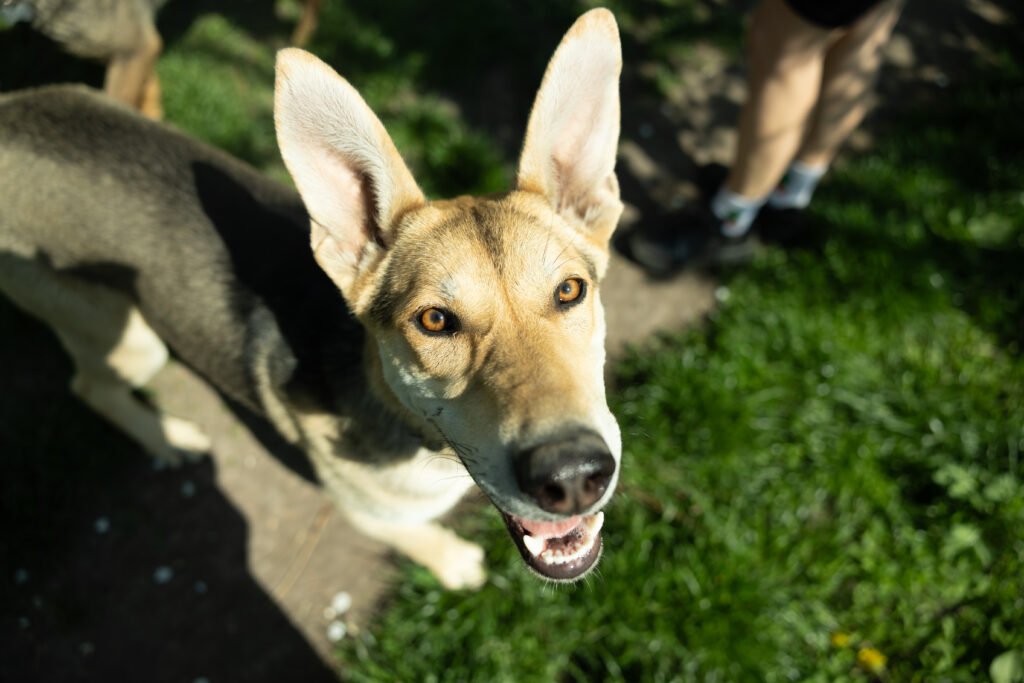
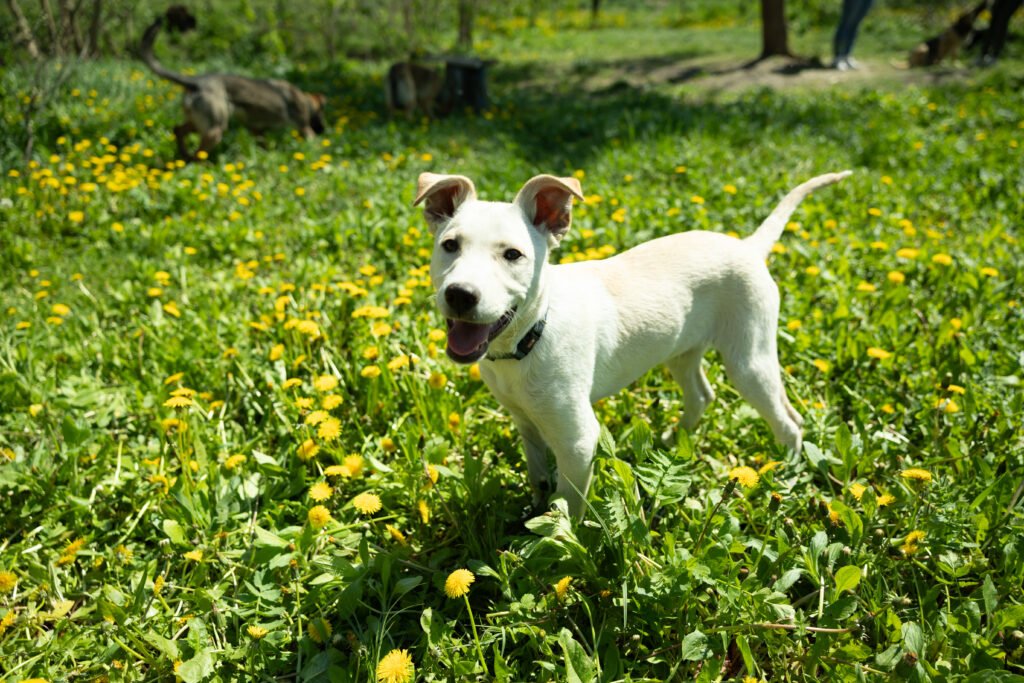
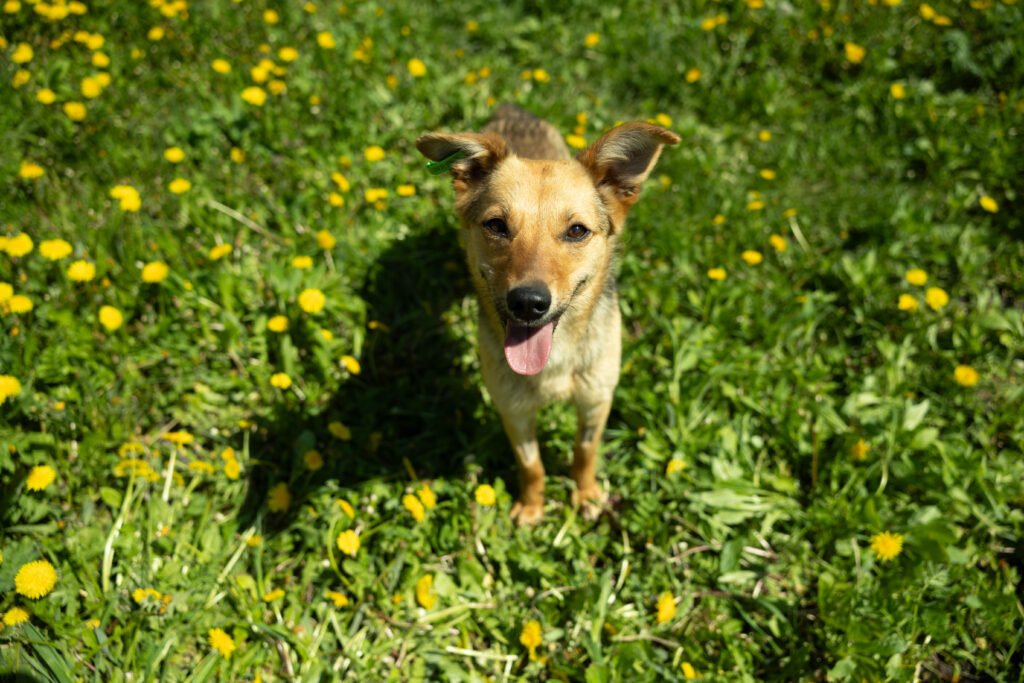
Canada has also invested deeply in understanding the therapeutic role of these animals. Veterans Affairs Canada, in collaboration with Université Laval, conducted an 18-month government-funded study evaluating psychiatric service dogs for veterans. The findings were overwhelmingly positive: participants reported improved sleep quality, a reduction in nightmares, lowered symptoms of depression, and greater social engagement.
The United Kingdom has adopted a slightly different, yet equally impactful, approach. Organisations such as Service Dogs UK work directly with military veterans and emergency service personnel. Rather than receiving a fully trained animal, veterans complete a rigorous training programme together with a rescue dog, guided by professional trainers. This ensures that building mutual trust becomes a core element of the PTSD rehabilitation process itself. As veterans help train their dogs, they simultaneously rebuild their own daily routines, self-confidence, and emotional resilience.
Why Emotional Support Dogs for Military Personnel Work
The effectiveness of these programmes is rooted in both specific training and general companionship. Specially trained psychiatric service dogs are taught to perform essential tasks such as interrupting panic attacks, waking veterans from recurring night terrors, assisting during dissociative episodes, and creating a physical buffer of personal space in crowded environments. Furthermore, they play a crucial role in reminding handlers to take their prescribed medication.
Many veterans argue that the greatest benefit actually goes far beyond these learned behaviours. The true magic lies in the constant presence of a trusted companion. Emotional support dogs for military personnel offer absolute stability, healthy daily routines, and unconditional support without any judgment.
Companions: training emotional support dogs to work alongside veterans, service members and their families
Companions is a systematic program that prepares emotional support dogs to build meaningful and safe relationships with veterans, service members and their families. We train human–dog teams to better understand one another, work together and build safe, respectful interactions with other people. An essential part of this process is the wellbeing of the dog — including its boundaries and rights.
We are sharing the story of UNBROKEN ANIMALS, a pilot training program for emotional support dogs launched in Lviv as part of the Companions project.The training lasted two months.
UNBROKEN ANIMALS is the first systematic emotional support program in Ukraine for veterans, servicewomen and servicemen, and their families, involving dogs that accompany them throughout their recovery journey.
The program is delivered by an expert team bringing together dog trainers, veterinary medicine specialists, and practitioners with experience supporting veterans and civilians after traumatic events.
The expert team also includes Kateryna Bieliaieva, Senior Canine Inspector at the Kyiv Region Police Cynology Centre, together with her service and personal dogs.
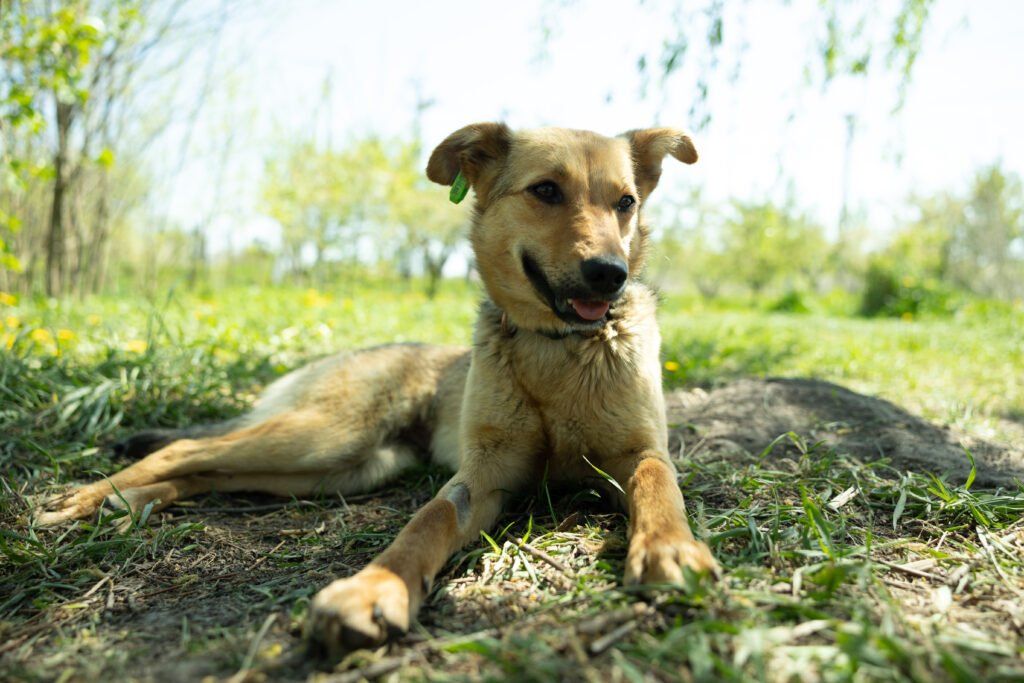
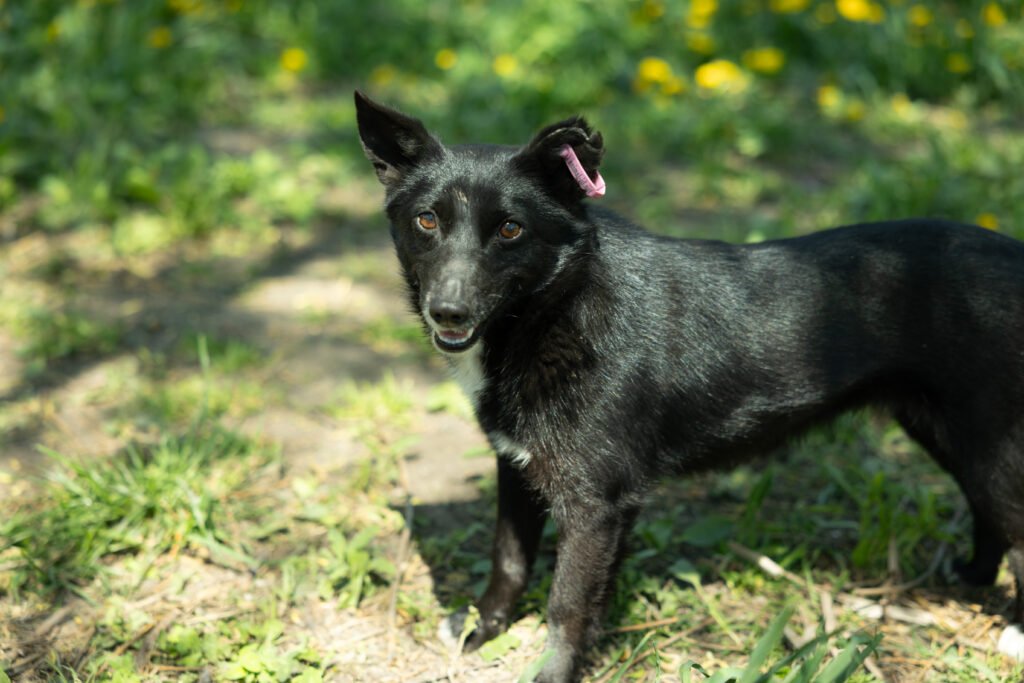

The program is based on a methodology for involving dogs in emotional support developed and tested by the cynology centres of the National Police of Ukraine.
The first group of 10 human–dog teams has now begun training. After completing the program, the teams will work at UNBROKEN.
U-Hearts, the initiator and developer of the Companions program, is joining UNBROKEN ANIMALS as an expert partner, providing the project with its methodology, expertise and approach to training human–companion dog teams.
