
In times of military conflict, public attention is naturally focused on human safety and critical infrastructure. However, in the midst of chaos, thousands of animals – both companion pets and strays – are left abandoned, injured, trapped, or facing starvation. Their organized rescue and care in frontline areas largely fall upon the shoulders of courageous volunteers who risk their lives daily.
In Ukraine their collective work extends far beyond simple charity; it is a critical humanitarian mission that ensures no living creature is forgotten during the crisis. These individuals represent a truly powerful force for those seeking to find out how to help homeless animals.
Why Volunteers are Essential During Wartime: Preserving Humanity
War creates ideal conditions for an animal welfare catastrophe: mass evacuation of animals from hot spots leads to family separation, and the destruction of farmlands and warehouses causes widespread hunger. Volunteer initiatives not only ensure the physical survival of the animals but also provide psychological support to the people who, even having fled their homes, cannot rest knowing their pets are suffering. Helping pets is an act of preserving humanity and the nation’s moral resilience.
Types of Work: The Spectrum of Volunteer Actions in the Field and Aid for Stray Dogs and Cats
The work performed by field volunteers is incredibly diverse, demanding a unique blend of courage, logistical savvy, and deep empathy. Their efforts generally concentrate on several key areas:
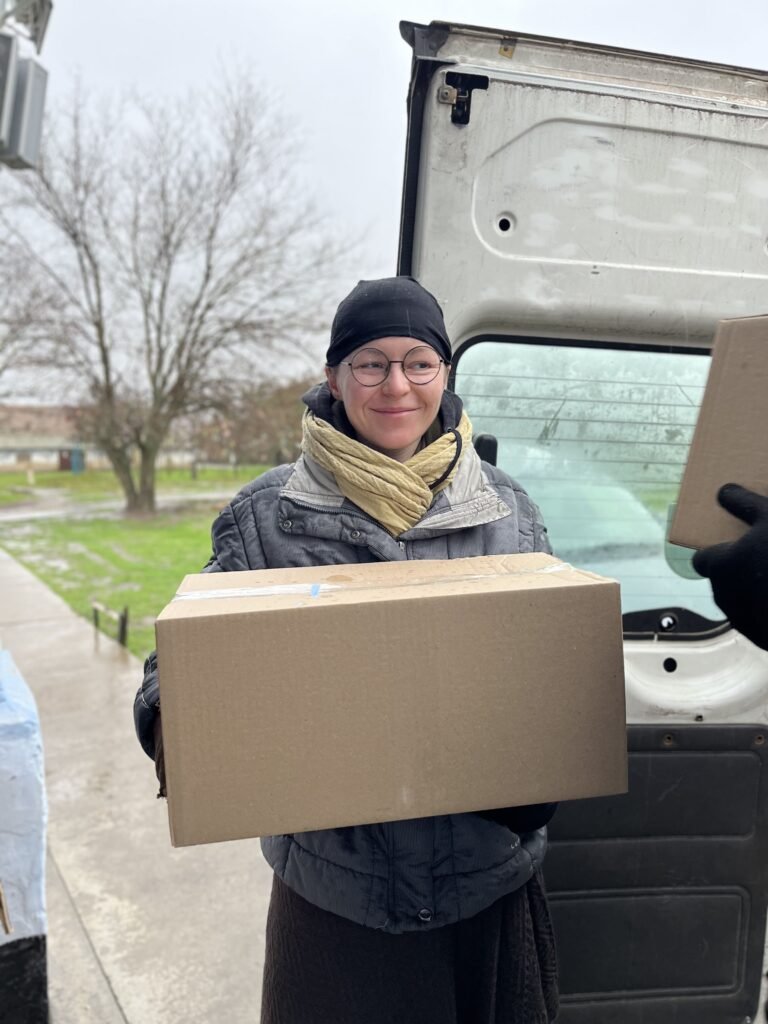
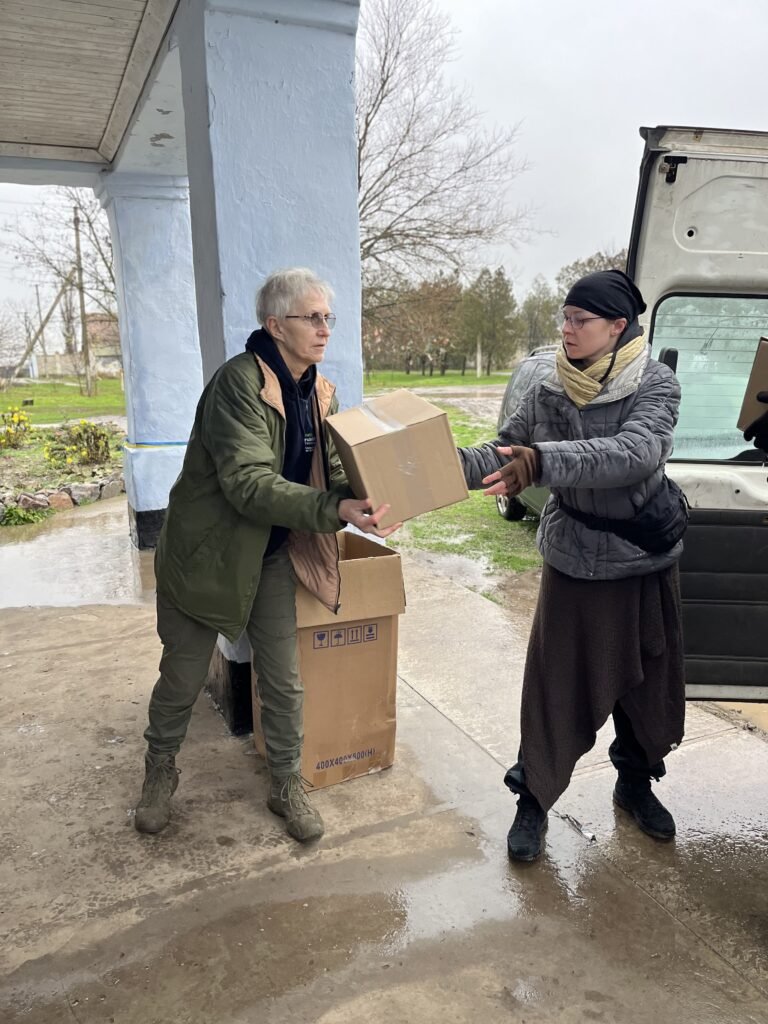
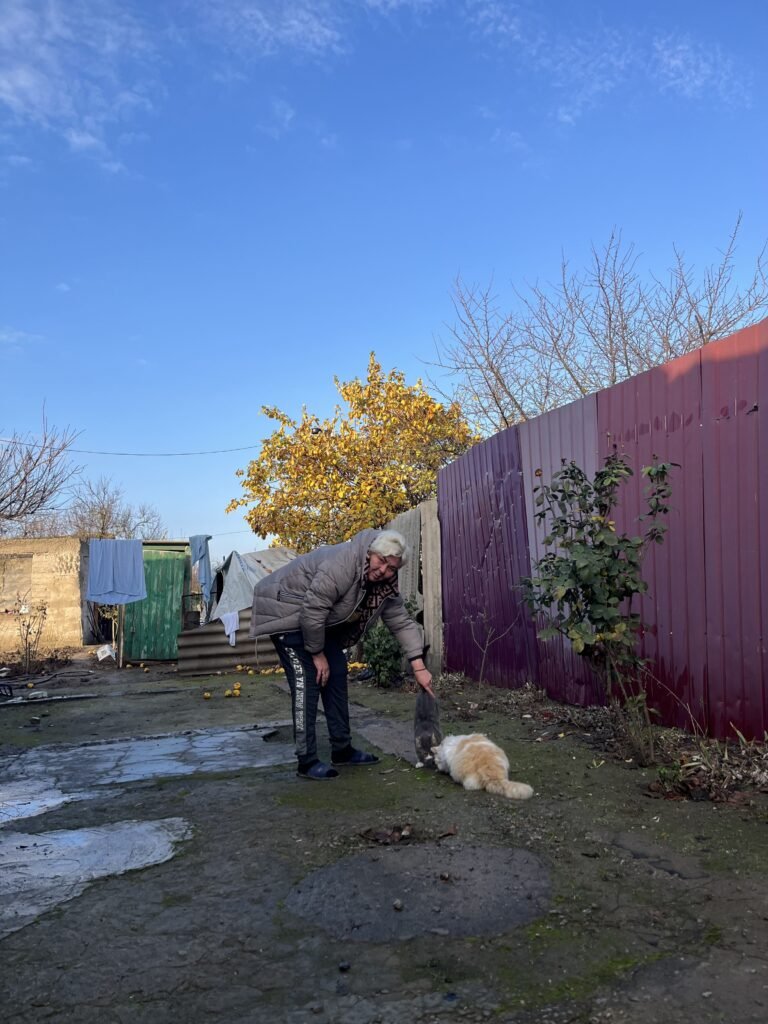
1. Evacuation of Animals from Hot Spots and Risk Zones
This is one of the most dangerous tasks. Volunteers regularly enter territories under shelling or recently de-occupied zones to extract abandoned animals. These may include not only stray dogs and cats, but also livestock, and animals from bombed zoos or private shelters located near the line of contact. Operations require high precision, speed, and knowledge of safety rules to deliver animals to safe transit or receiving centers. Helping pets in such conditions is often a matter of mere hours.
3. Relocation of Shelters and Temporary Animal Placement
The war has forced many shelters to completely relocate due to dangerous proximity to hostilities. Volunteers coordinate complex relocation of shelters, which includes securing transport, setting up temporary housing, and establishing new, safer permanent locations. Furthermore, they establish temporary foster networks and transition points to accommodate the influx of evacuated animals, providing critical help homeless pets where official infrastructure has ceased to function.
4. Veterinary Aid: Treatment and Sterilisation
Animals in war zones often sustain injuries from shrapnel, concussion, or suffer from exhaustion. Volunteers either ensure the work of mobile veterinary brigades or transport wounded animals to distant clinics. This covers everything from emergency surgery and long-term treatment to routine procedures like vaccination and sterilization, which is a vital measure for controlling the population of stray dogs and cats in the post-war period.
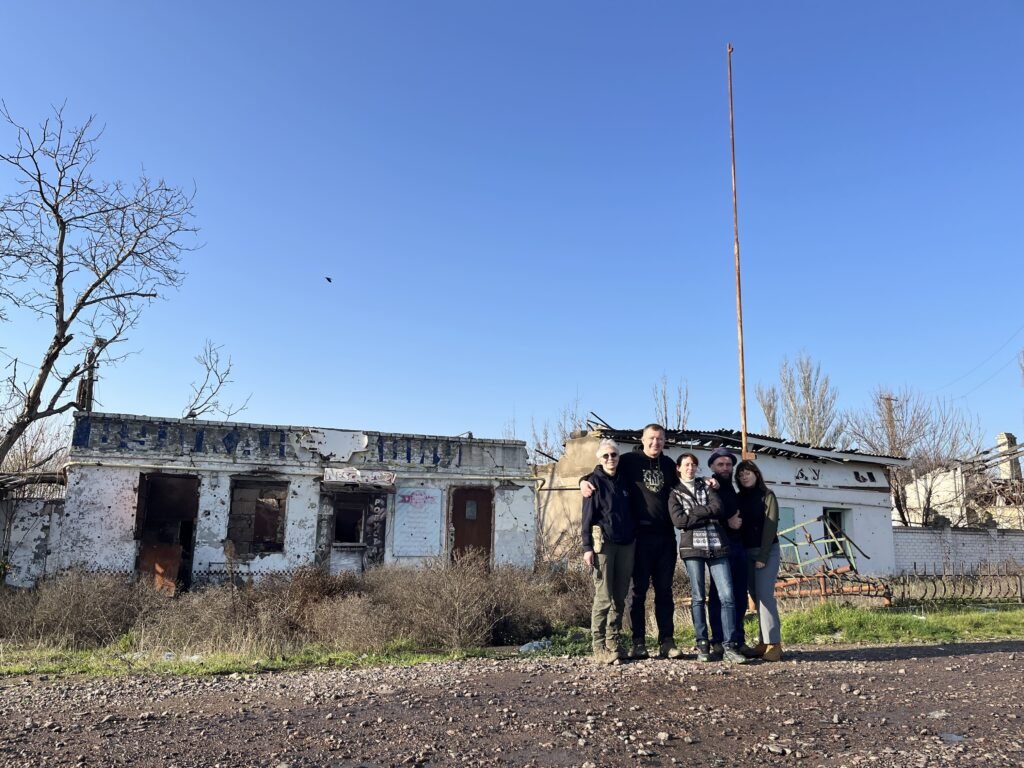
Risks and Challenges: The Price of Empathy and How to Help Homeless Animals Safely
Volunteers working in the field face daily risks that significantly exceed typical humanitarian work:
- Security and Logistics: The direct threat of shelling, landmine hazards, and constant checks at checkpoints are part of their routine. The difficulty of obtaining permits to enter “grey zones” increases logistical pressure.
- Resources and Constraints: Shortages of fuel, a lack of specialized transport for large animals, and the constant need to seek funding for food and medicine are serious obstacles.
The Impact and Significance of Volunteer Work
The importance of the work carried out by field volunteers cannot be overstated. Their actions save lives, maintain sanitary conditions (through vaccination and sterilization), and most importantly, preserve humanity. Every rescued dog or cat is a symbol that compassion and mercy will prevail even in the darkest times. Their missions are an invaluable contribution to the shared victory of good.
Call to Action: Your Support for helping pets
If you wish to help, please support reliable Ukrainian volunteer groups working directly in risk zones, and large funds which help homeless pets and provide financial stability. Every contribution funds fuel, medicine, and food, directly enabling volunteers to embark on the next critical life-saving mission. Helping pets is a shared responsibility.
